Owning a lot in Simcoe County is an exciting starting point. Whether you've already purchased land or you're seriously considering one, the path from "lot" to "home" has more moving parts than most people expect. The good news? Most of those parts are knowable ahead of time — and asking the right questions early saves time, money, and surprises down the road.
Lilac Homes builds on lots across Springwater, Oro-Medonte, Innisfil, Essa, Severn, and throughout the broader Simcoe County region. Here's what we've learned about what makes or breaks a lot build — and what every prospective client should understand before committing.
1. What Does "Build-Ready" Actually Mean?
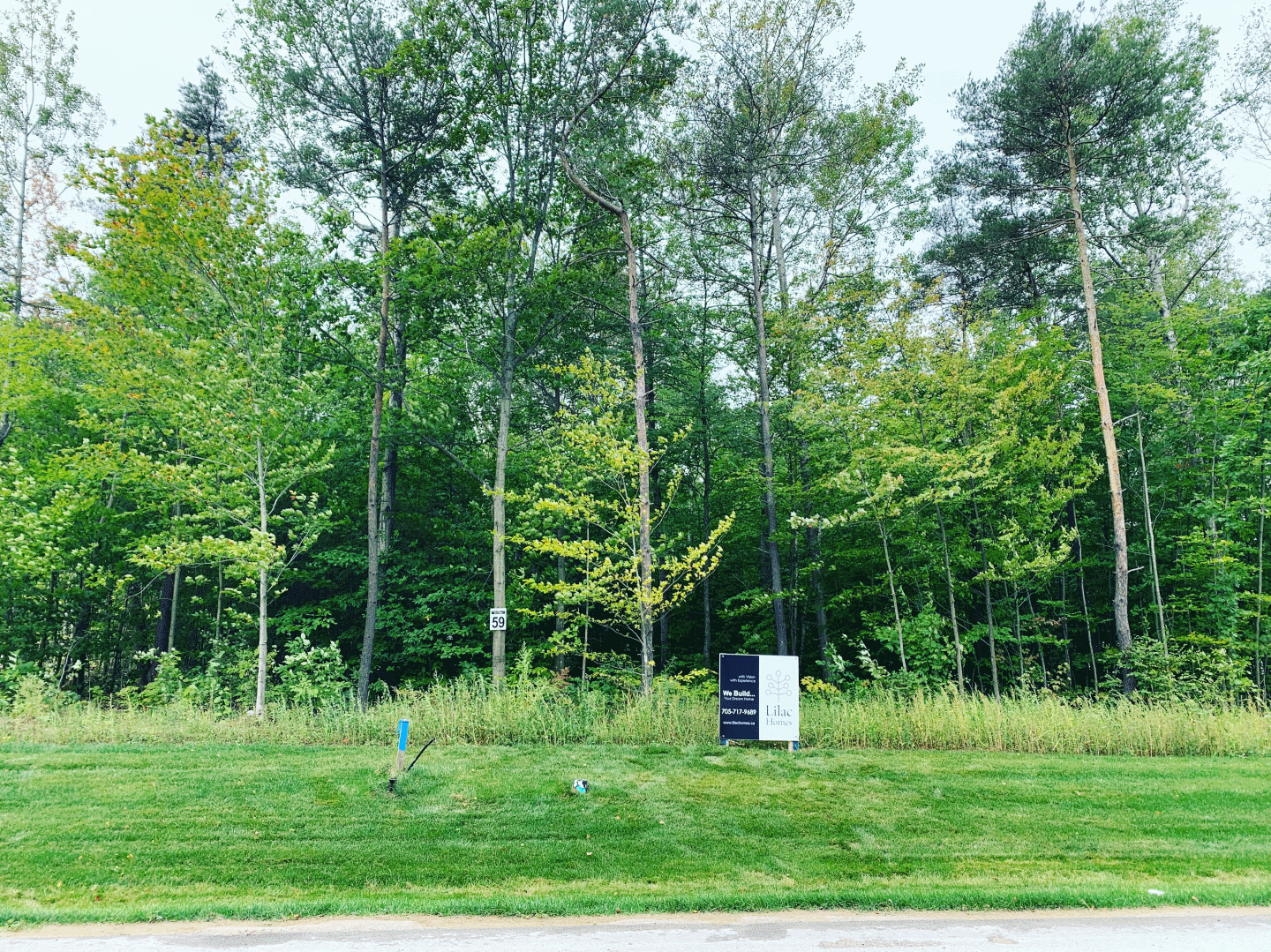
Not all lots are created equal. A lot may look straightforward on paper and come with complications you won't discover until you're deep into planning. Before you purchase — or certainly before you build — it's worth investigating:
–
Zoning and permitted uses — Is the lot zoned for residential construction? Can you build the home style and size you want? Are there setback requirements, lot coverage limits, or height restrictions?
– Serviced vs. unserviced — Municipal water and sewer connections dramatically reduce complexity and cost. Rural lots often require a well and septic system, both of which involve their own approvals, costs, and site considerations.
–
Access — Does the lot have direct road access? Is the road municipally maintained year-round?
– Conservation and environmental overlays — Properties near wetlands, floodplains, or within Conservation Authority jurisdiction may face additional approvals or restrictions.
Your builder can help you read a lot's potential — but a survey, legal review, and conversation with the local municipality are also part of doing your due diligence properly.
2. Soil and Site Conditions Matter More Than People Think
Simcoe County has a wide range of soil conditions — from sandy, well-draining lots in some areas to clay-heavy ground, rock pockets, and high water tables in others. What's underfoot affects:
– Foundation type and depth
– Excavation cost and complexity
– Drainage and grading requirements
– Potential for basement water management issues
A geotechnical assessment (soil test) isn't always required, but it's a worthwhile investment on rural or otherwise uncertain lots. A difficult lot can add significant cost to a build — sometimes more than a higher-priced lot with better conditions would have.
3. Development Charges: The Number Most People Miss
Development charges (DCs) are municipal fees charged at the time of building permit issuance. They fund local infrastructure — roads, water, schools — and they can catch first-time builders off guard.
In most Simcoe County municipalities, development charges are stacked from multiple sources: your local township, the County of Simcoe, and education levies. The County levy alone for a single detached home can be expensive. And the total across all three sources is often two to three times what people expect when they first hear the number.
Get an estimate of the full DC charges from your municipality before you finalize your budget.
4. Timing Your Build to the Simcoe County Calendar
Ontario's seasons are a real factor in any ground-up build. Concrete work has weather windows, spring mud can affect site access, and the race to get dried-in before November is a genuine scheduling concern.
Good planning means:
– Permits applied for well in advance of your intended start
– Long-lead items (windows, doors, custom cabinetry) ordered early
– Excavation and foundation sequenced to avoid early spring melt
– Your build could be affected by load restrictions
Builders who know the local rhythm can significantly reduce weather-related delays.
5. Have a Real Conversation with Your Builder Early
The single most valuable thing you can do — before you finalize a lot purchase — is talk to your builder. A good builder will help you evaluate the lot objectively, flag concerns you might not have thought to ask about, and give you a realistic sense of what the build will actually cost.
At Lilac Homes, we're happy to walk through a lot with clients before they commit. We'd rather flag a problem at that stage than have it surface during construction.
If you're building in Simcoe County and want answers about what your lot can support, reach out.
Thinking about building on your lot? Contact Lilac Homes at lilachomes.ca or call us to discuss your land and what's possible.